Shopping for kitchen lighting can feel overwhelming when you’re staring at hundreds of fixtures. Lowe’s offers a massive selection that covers everything from budget-friendly basics to designer-inspired pieces, but that variety comes with a challenge: figuring out what actually works for your space. Whether you’re renovating a dated kitchen or just swapping out tired fixtures, understanding your options, and how to install them correctly, makes the difference between a well-lit workspace and a room that still feels dim at noon. This guide walks through what Lowe’s stocks, how to plan a lighting layout that actually functions, and what you need to know before you start wiring.
Table of Contents
ToggleKey Takeaways
- Lowe’s kitchen lighting selection offers 15-20 options per category with the convenience of comparing color temperatures in-store and accessing compatible electrical components all in one place.
- Effective kitchen lighting requires layered design combining ambient (general overhead), task (counters and islands), and accent lighting—relying on a single fixture will leave your kitchen feeling dim.
- Plan recessed and track lighting spacing at 4-6 feet apart with fixtures 18-24 inches from walls to avoid shadows, and always choose IC-rated, airtight models that meet modern building codes.
- Under-cabinet LED bars and tape lights rated 300+ lumens per foot provide superior task lighting compared to puck lights, with a CRI of 90+ ensuring accurate food colors.
- Install LED-compatible dimmers on all circuits to avoid flicker and early LED failure, giving flexibility between full brightness for meal prep and softer light for evening use.
- Always kill power at the breaker, verify with a non-contact voltage tester, and check local building codes for permits before DIY installation—improper wiring is a fire hazard that requires professional help.
Why Choose Lowe’s for Your Kitchen Lighting Project
Lowe’s sits in a sweet spot for kitchen lighting: broad enough selection to cover most styles and budgets, physical stores where you can see fixtures in person, and return policies that don’t punish you for buying the wrong size. Unlike specialty lighting showrooms that skew expensive or big-box competitors with limited stock, Lowe’s typically carries 15-20 options in each major category, pendants, recessed, under-cabinet, at any given location.
The in-store lighting aisles let you compare color temperatures side-by-side. A 3000K bulb looks very different from 5000K when you’re standing under it, and photos online don’t convey that accurately. Lowe’s also stocks compatible components in the electrical aisle: junction boxes, wire nuts, dimmer switches rated for LED loads, and low-voltage transformers for under-cabinet systems. That convenience matters when you’re mid-project on a Saturday and realize you need a different mounting bracket.
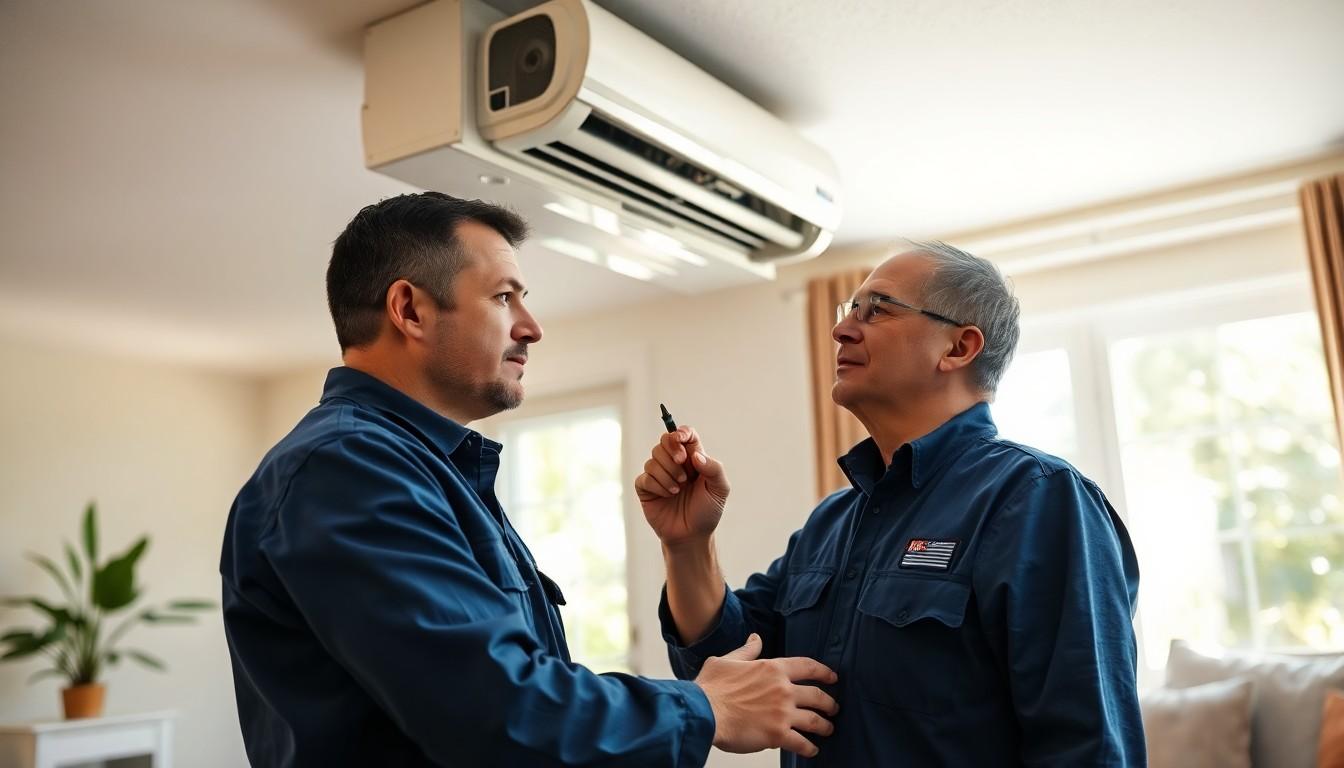
Installation services are available if you’re not comfortable working with electrical, though rates vary by region. Most ceiling fixture installs run $75-150 for labor, not including materials. For straightforward swaps on existing junction boxes, that’s often overkill if you’re handy. But for recessed lighting that requires cutting into drywall and working in attics or crawl spaces, professional help can prevent costly mistakes, especially if your ceiling joists don’t align where you want lights.
Popular Kitchen Lighting Types Available at Lowe’s
Pendant Lights and Chandeliers
Pendant lights are the workhorses over islands and peninsulas. Lowe’s stocks single pendants starting around $30 and multi-light fixtures up to $400+. Standard spacing for pendants over an island is 30-36 inches apart, with the bottom of the shade hanging 30-36 inches above the countertop. Go lower and you’ll block sightlines: go higher and the light spreads too diffusely for task lighting.
Most pendants use E26 medium-base bulbs, which gives flexibility for LED, CFL, or incandescent (though LEDs are the only option that makes sense in 2026 for energy costs). If you’re installing over a bar or seating area, check the fixture’s adjustable cord or rod length, many Lowe’s models include extra rod segments you can remove to shorten the drop.
Chandeliers work over dining tables in eat-in kitchens but rarely over islands unless the ceiling is 9 feet or higher. A chandelier’s wider footprint needs clearance. For rooms with standard 8-foot ceilings, flush-mount or semi-flush fixtures prevent head-bonking and visual clutter. Homeowners exploring creative track lighting setups often find them more flexible than chandeliers in kitchens with awkward layouts or multiple work zones.
Recessed and Track Lighting
Recessed cans remain the most popular choice for general ambient lighting. Lowe’s carries both new-construction housings (installed before drywall goes up) and remodel housings with clips that grab existing ceiling material. For kitchens, look for IC-rated (insulation contact) and airtight models if you have an attic above, these prevent energy loss and meet modern building codes in most jurisdictions.
Standard 4-inch or 6-inch recessed lights work for most kitchens. Space them roughly 4-6 feet apart in a grid, keeping fixtures about 18-24 inches from walls and cabinets. Closer placement creates bright spots: farther creates shadows. Adjustable gimbal trims let you angle the beam toward counters or specific work zones, which beats fixed downlights for task lighting.
Track lighting offers flexibility for renters or anyone who doesn’t want to cut holes in ceilings. Lowe’s H-track and J-track systems let you reposition heads along the rail, aiming light exactly where you need it. Track works particularly well in galley kitchens where a single run down the center can illuminate both counters. Most systems use low-voltage LED heads that draw 5-10 watts each, so a six-head setup pulls less power than one old incandescent bulb.
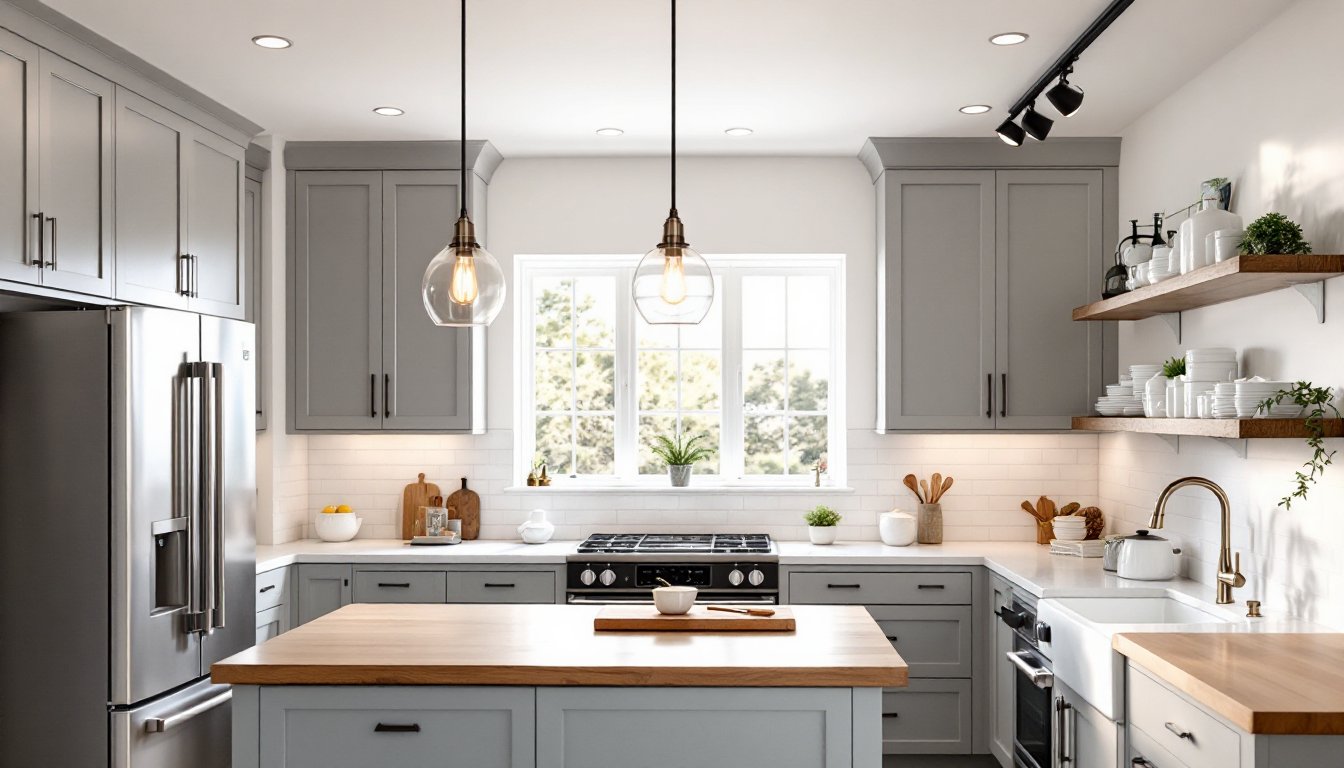
Designers increasingly layer different lighting types together rather than relying on a single overhead source, which creates depth and eliminates harsh shadows.
Under-Cabinet LED Lighting
Under-cabinet lights transformed from luxury add-ons to standard equipment in the past decade. Lowe’s stocks three main types: puck lights (individual discs spaced every 8-12 inches), light bars (continuous strips), and tape lights (flexible LED strips). For serious task lighting, bars and tape win, puck lights create hot spots and shadows between each disc.
Look for systems rated at 300+ lumens per foot of counter. Anything less reads as accent lighting, not task lighting. Most under-cabinet LEDs run at 3000K, which is warm enough to not look sterile but cool enough to see what you’re chopping. Color rendering index (CRI) matters here: aim for 90+ so food colors look accurate, not washed-out.
Installation varies. Plug-in models work for renters or quick upgrades, you’ll see the power cord, but it beats no light. Hardwired systems require routing cable through walls and connecting to a switch, which means cutting into drywall. Direct-wire setups look cleanest but require cutting power at the breaker and working inside junction boxes, if you’re not confident with electrical, hire this part out. A mis-wired connection is a fire hazard, full stop.
Many modern kitchens combine layers of overhead and under-cabinet lighting controlled by separate switches or dimmers, giving flexibility for different tasks and times of day.
How to Plan Your Kitchen Lighting Layout for Maximum Impact
Start by identifying your lighting layers: ambient (general overhead), task (work zones like counters and sinks), and accent (inside glass cabinets or above cabinets). Most failed kitchen lighting comes from relying on a single central fixture and hoping it covers everything. It won’t.
For ambient lighting, calculate square footage and aim for 50-75 lumens per square foot in a kitchen. A 120-square-foot kitchen needs 6,000-9,000 lumens total from all ambient sources. If you’re using recessed lights at 650 lumens each, you’d need 10-14 fixtures spaced evenly. That sounds like a lot, but kitchens need brighter light than living rooms, you’re working with knives and hot surfaces.
Task lighting focuses on counters, islands, the sink, and the range. Under-cabinet lights handle perimeter counters. Pendants handle islands. For the sink, either place a recessed can directly overhead or angle an adjustable trim toward it. The range should have its own hood with integrated lighting, if your hood doesn’t light the cooktop adequately, add a recessed can 18 inches in front of the range so you’re not cooking in your own shadow.
Accent lighting is optional but adds depth. LED strips on top of upper cabinets wash the ceiling with light, making the room feel taller. Interior cabinet lights showcase glassware but require drilling holes for wiring or using battery pucks (which you’ll be replacing batteries in every few months, not ideal).
Draw your layout on graph paper or use a free online tool. Mark cabinet locations, then overlay lighting positions. Keep recessed cans away from cabinet door swing paths, a can placed 6 inches from a cabinet is useless when the door’s open and blocking it. Check joist direction in your attic before committing to a layout: if joists run perpendicular to your planned light row, installation is straightforward. If they run parallel, you’ll be cutting through blocking or repositioning fixtures, which affects everything from wire runs to trim styles.
Dimmers are non-negotiable. Kitchens need full brightness for meal prep and softer light for late-night snacks. Use LED-compatible dimmers rated for your total fixture load, old incandescent dimmers cause LED flicker and early failure. Lowe’s stocks Lutron and Leviton models that work reliably with most LED fixtures.
DIY Installation Tips for Lowe’s Kitchen Lighting Fixtures
Before you touch any wiring, kill power at the breaker and verify it’s off with a non-contact voltage tester. Flipping the wall switch isn’t enough, switches can be wired incorrectly, and you need to be certain. Tape over the breaker so nobody flips it back on mid-project.
For pendant and chandelier swaps on existing junction boxes, the process is straightforward: disconnect old fixture, match wire colors (black to black, white to white, bare copper ground to ground or green), wire-nut the connections, tuck wires into the box, and mount the new fixture’s canopy. If the old box is loose or plastic and you’re hanging anything over 10 pounds, replace it with a metal pancake box or fan-rated box screwed directly to a joist or blocking. Ceiling boxes held by drywall alone will eventually sag or fall.
Recessed lighting involves more demo. Remodel housings are your friend, they have spring clips that grab the drywall from behind. Trace the template onto the ceiling between joists, cut the hole with a drywall saw or hole saw, fish 14/2 or 12/2 NM-B cable (depending on circuit amperage) from the nearest power source, connect to the fixture’s integral junction box, and snap the housing into place. Trim clips in last.
Most building codes require kitchen lighting on 15-amp or 20-amp circuits. If you’re adding multiple recessed lights, calculate total wattage, twelve 10-watt LEDs pull 120 watts, which is well under limits, but double-check your circuit’s existing load. Overloading circuits trips breakers at best and creates fire hazards at worst.
Under-cabinet LED installation depends on the system. Plug-in bars literally stick up with adhesive backing and plug into an outlet, no electrical skill required. Hardwired systems require routing cable through walls, installing a junction box, and connecting to a wall switch. If your cabinets have a toe-kick space, you can sometimes run cable along the floor and up behind the cabinets without opening walls. If not, expect to cut small access holes and patch drywall afterward.
For all electrical work, follow NEC (National Electrical Code) guidelines and local amendments. In many jurisdictions, adding new circuits or recessed fixtures requires a permit and inspection, even for DIY work. Check with your local building department before starting. Working without permits can complicate home sales and insurance claims if something goes wrong.
Safety gear for this project: safety glasses when cutting drywall or drilling, dust mask for ceiling work, gloves when handling sharp metal housings, and a headlamp for attic crawling. Keep a fire extinguisher nearby when working with electrical.
If your kitchen wiring is old cloth-wrapped or aluminum, stop and call an electrician. Those materials require special handling and aren’t DIY-friendly for most homeowners. Same if you open a junction box and find a mess of unlabeled wires or backstabbed connections, fixing improper wiring is worth the cost of a pro who won’t burn your house down.