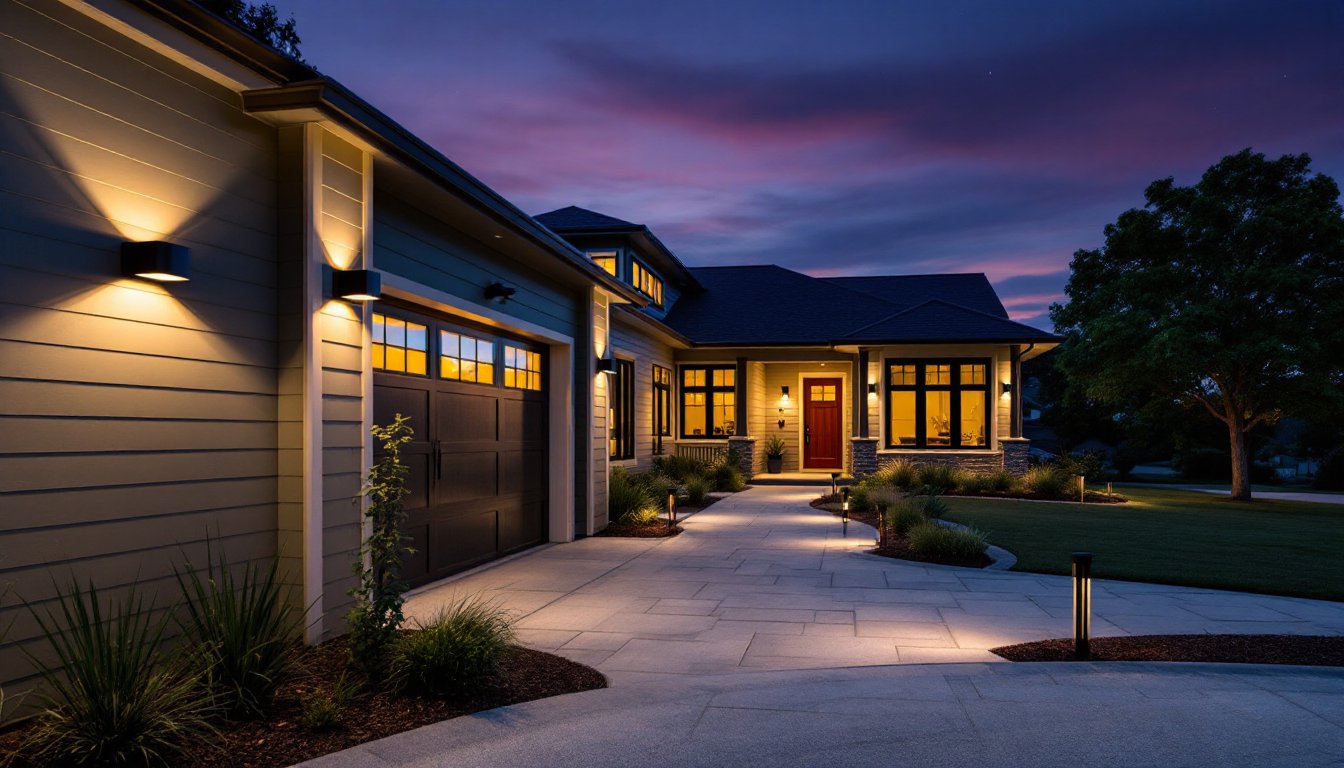
Outdoor lighting keeps properties safe and usable after sunset, but poorly designed fixtures waste energy and contribute to light pollution that obscures starlight and disrupts wildlife. Dark sky outdoor lighting solves this by directing light downward where it’s needed instead of spilling it into the atmosphere. These fixtures meet standards developed by the International Dark-Sky Association (IDA) to minimize upward light emission and glare. Homeowners who switch to dark sky compliant fixtures reduce energy costs, improve nighttime visibility, and help preserve natural darkness without sacrificing security or curb appeal.
Table of Contents
ToggleKey Takeaways
- Dark sky outdoor lighting directs light downward to eliminate upward light emission and glare, reducing energy waste while preserving natural darkness and protecting wildlife.
- International Dark-Sky Association certified fixtures must feature full cutoff design, downward directionality, and warm color temperatures (3000K or lower) to minimize light pollution and improve nighttime visibility.
- Properly designed dark sky fixtures improve security by reducing glare-induced vision impairment, with lower-wattage LEDs outperforming traditional high-wattage incandescent bulbs while cutting energy costs.
- Mounting fixtures at appropriate heights (7–8 feet for wall sconces, 8–10 feet for post lights) prevents light trespass and maximizes efficiency, while motion sensors and astronomical timers further reduce energy consumption.
- Common mistakes like overlighting, using cool-toned LEDs, and mounting fixtures too high undermine dark sky benefits; homeowners should start with a nighttime audit to identify areas that genuinely need illumination.
- Dark sky outdoor lighting protects nocturnal ecosystems and human health by suppressing light pollution that disrupts wildlife navigation, migratory patterns, and circadian rhythms while enhancing property value through thoughtful design.
What Is Dark Sky Outdoor Lighting and Why Does It Matter?
Dark sky outdoor lighting refers to fixtures designed to minimize upward light emission, glare, and light trespass, the spill of artificial light beyond property boundaries. The International Dark-Sky Association certifies fixtures that meet specific criteria: they must shield bulbs completely, direct light downward, and use appropriate color temperatures (typically 3000K or lower).
Light pollution affects more than stargazing. Upward-directed light wastes electricity by illuminating nothing useful. It disrupts ecosystems, migratory birds navigate by starlight, sea turtle hatchlings follow moonlight to the ocean, and nocturnal pollinators require darkness to function. Human health suffers too: excessive nighttime light exposure suppresses melatonin production and disrupts circadian rhythms.
Many municipalities now require dark sky compliant fixtures in new construction or major renovations, particularly in areas near observatories, parks, or wildlife corridors. Even without mandates, switching to properly shielded fixtures improves nighttime safety by reducing glare that can actually impair vision rather than enhance it.
Key Features of Dark Sky Compliant Fixtures
Dark sky fixtures share several design characteristics that separate them from standard outdoor lights:
Full cutoff or fully shielded design means the bulb sits inside a housing that blocks all upward light emission. No light escapes above a 90-degree horizontal plane from the fixture. This contrasts with traditional lanterns or globe lights that radiate in all directions.
Downward directionality concentrates illumination on walkways, driveways, and entry points rather than washing walls or sky. Fixtures often include reflectors or baffles to control beam spread and prevent spill into neighboring properties or natural areas.
Color temperature matters. Fixtures should use bulbs rated at 3000 Kelvin or lower, the warm amber or soft white range. Cooler blue-white LEDs (4000K+) scatter more in the atmosphere and suppress melaionin more effectively, making them worse for both sky glow and human health. Many IDA-certified fixtures specify maximum color temperature in their listings.
Appropriate lumen output for the task prevents overlighting. A typical residential path light needs 50–150 lumens, while a driveway or entry might require 400–800 lumens. More isn’t better, excessive brightness creates harsh shadows and reduces contrast, making it harder to see detail.
Benefits of Installing Dark Sky Lighting Around Your Home
Energy savings add up quickly. Because dark sky fixtures direct light only where needed, homeowners can use lower-wattage bulbs while maintaining or improving visibility. A 9-watt LED in a shielded fixture often outperforms a 60-watt incandescent in an unshielded globe by concentrating light on the ground instead of dispersing it.
Better nighttime vision might seem counterintuitive, but it’s true. Glare from unshielded bulbs causes pupils to constrict, reducing the eye’s ability to see into shadows where intruders or trip hazards hide. Properly aimed, glare-free fixtures illuminate targets without blinding observers. This principle is why parking garages and commercial facilities increasingly use shielded fixtures, they improve actual security, not just the perception of brightness.
Wildlife and ecosystem protection becomes meaningful at neighborhood scale. Reducing light pollution helps nocturnal pollinators, minimizes bird strikes during migration, and preserves natural behaviors in backyard wildlife. Properties near wetlands, forests, or coastal areas see particularly strong impacts.
Property value and aesthetics benefit from thoughtful lighting design. Dark sky fixtures tend toward architectural styles, clean-lined wall sconces, bollards, and post lights, that complement modern and traditional home designs. They avoid the visual clutter of overlighting while highlighting landscaping and architectural features with smart, energy-efficient solutions that enhance rather than overpower evening curb appeal.
How to Choose the Right Dark Sky Fixtures for Your Property
Start with a nighttime audit of your property. Walk the perimeter after dark and identify areas that actually need light: entry doors, stairways, driveways, and high-traffic paths. Many homeowners overlight low-priority areas like decorative landscaping while leaving functional zones dim.
Match fixture type to location:
• Wall sconces work for entryways and garage doors. Look for downward-facing models with hoods or shields. Mount at 7–8 feet above grade to minimize glare at eye level.
• Post lights suit pathways and driveway edges. Choose fixtures with internal baffles and maximum heights of 8–10 feet, taller posts increase light trespass.
• Bollard lights (short posts 18–36 inches high) provide low-level path lighting with minimal spill. They’re ideal near garden beds or along curved walkways where taller fixtures create harsh shadows.
• Step lights recessed into risers or adjacent walls illuminate stairs without upward light. Code requirements vary, but residential stairs typically need lighting sufficient to see tread edges, around 30–50 lumens per fixture.
Check for IDA certification or verify specifications manually: Look for fixtures labeled “full cutoff” with UL (Underwriters Laboratories) ratings for wet or damp locations depending on exposure. Many outdoor fixture designs now meet these standards while maintaining traditional aesthetics.
Choose bulbs carefully. LED technology dominates outdoor lighting for good reason, longevity (25,000+ hours), efficiency, and instant-on capability in cold weather. Select 2700K to 3000K color temperature in whatever base your fixture requires (E26 medium base is most common in residential fixtures). Avoid “daylight” (5000K+) bulbs regardless of fixture design.
Installation Tips for Maximum Effectiveness
Plan electrical runs before digging. Most outdoor lighting operates on 120V line voltage or 12V low voltage. Low-voltage systems use a transformer (typically located in a garage or under an eave) and are easier for DIYers to install safely. Bury 12-2 or 14-2 UF-B cable (underground feeder, rated for direct burial) at least 18 inches deep for 120V circuits, or follow local code. Low-voltage cable can run as shallow as 6 inches but should follow manufacturer guidelines.
Use GFCI protection. Outdoor receptacles and lighting circuits require ground fault circuit interrupter protection per NEC (National Electrical Code) Article 210.8. If you’re adding circuits or extending existing ones, install a GFCI breaker at the panel or use GFCI-protected receptacles. Permit requirements vary by jurisdiction, assume you need one for new circuits or if you’re running cable more than 6 feet from an existing box.
Aim fixtures to eliminate glare. After installation, verify that no light source is visible when standing at eye level anywhere on adjacent properties or public sidewalks. Adjust mounting angles or add shields if needed. Some fixtures include adjustable baffles or louvers for fine-tuning.
Install motion sensors or timers to reduce runtime. Continuous lighting wastes energy and contributes more to sky glow than intermittent use. Motion-activated fixtures work well for entries and garages: astronomical timers (which adjust on/off times based on actual sunset/sunrise) suit pathway and security lighting better than fixed timers or photocells.
Common Mistakes to Avoid with Outdoor Dark Sky Lighting
Overlighting is the most frequent error. Homeowners often install fixtures with excessive lumen output because they equate brightness with safety. In reality, four 800-lumen fixtures around a driveway create more usable light and less glare than a single 3000-lumen flood. Calculate coverage: each fixture should overlap slightly with neighbors to avoid dark pools, but excessive overlap wastes energy.
Using the wrong color temperature undermines dark sky benefits. Blue-rich LEDs (4000K+) scatter more in the atmosphere and suppress melatonin production more effectively than warmer tones. Stick to 3000K maximum, preferably 2700K for residential applications. This isn’t just about aesthetics, physics and biology both favor warmer light.
Mounting fixtures too high increases light trespass and reduces efficiency. An 8-foot mounting height typically suffices for entries: pathway lights should sit much lower. Higher mounting requires more lumens to achieve the same ground-level illumination, which increases cost and light pollution.
Ignoring existing light sources. Evaluate your property in context. If streetlights already illuminate your driveway adequately, adding fixtures there wastes money. Focus supplemental lighting on areas with genuine gaps in coverage. Many home improvement resources recommend starting with security-critical zones, entries, dark corners, stairs, before adding decorative path lighting.
Skipping shields or hoods on existing fixtures. Not every homeowner can replace all exterior lights immediately. Retrofit shields and glare guards are available for many common fixture types. While not as effective as purpose-built dark sky fixtures, they dramatically reduce upward light emission and can extend the life of serviceable fixtures.
Forgetting maintenance access. Outdoor fixtures accumulate dirt, spider webs, and debris that reduce output and alter beam patterns. Choose fixtures with easily removable lenses or covers, and schedule annual cleaning. Check that transformers and junction boxes remain accessible for bulb changes and troubleshooting.
Conclusion
Dark sky outdoor lighting delivers better visibility, lower energy costs, and measurable environmental benefits compared to conventional fixtures. By directing light downward, using appropriate color temperatures, and avoiding overlighting, homeowners create safer, more attractive properties while preserving natural darkness. The upfront investment in quality fixtures pays dividends in reduced electricity consumption and longer bulb life, while contributing to broader efforts to protect wildlife and restore access to starlight.